FREE sourcing support up to 3%

Eligibility applies to qualified business buyers and is confirmed after we review your product, quantity, destination, and sourcing requirements.

Same configuration, same quantity, same destination

dtf printer for shirts

A shirt program is a film, powder, and press sequence, not a single model name. Dtf Printer For Shirts Sourcing is an independent sourcing partner that records the print process, printable media, print area, quantity, and US destination so factories answer one brief. Stock, fit, certification, and price stay open until a named supplier ties them to an exact proposed model.

  • Print process and white-ink or color-ink path
  • Film width, shirt platen, or both, with units
  • Heat-press temperature band and dwell, if the press is in scope
  • Voltage, frequency, and phase at the install room

Review inquiry configurations or read the procurement brief.

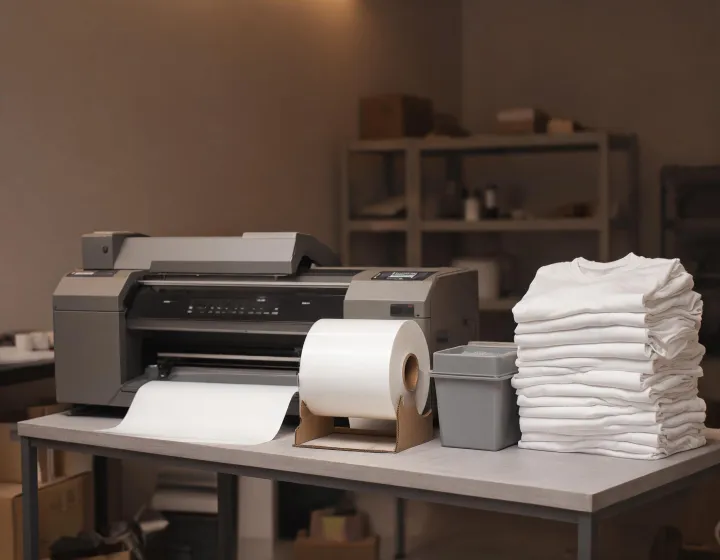
Shirt film and a DTF printer on a production table

Delivered-cost layers to line up before prices are compared

Headline equipment cost is one layer. A shirt quotation that omits powder, film, a heat press, RIP seats, or freight is not on the same basis as a quotation that includes them. No amount is published here because this desk does not hold a live quote.

  1. Printer configuration

    Record printhead count only if the proposed datasheet states it, plus maximum print width in millimeters or inches, resolution options in dpi, and whether white ink is a separate channel. Mark unknown values as unknown.

  2. Necessary accessories

    Powder shaker, curing oven or heater, air filtration, take-up, and the control interface to the RIP are accessories until the quotation lists them inside the machine price. Ask which plugs and cables are included.

  3. Consumables and spare parts

    Film rolls, adhesive powder, ink sets, waste tanks, wipers, and a spare parts list change the first months of run cost. Ask for the unit of measure, such as milliliters of ink or meters of film, and whether those items ship with the machine.

  4. Packing and transport

    State the US destination, the incoterm the buyer wants compared, and whether export crating, liftgate, and inside delivery are in or out. A factory gate price and a delivered price are different numbers.

  5. Commissioning and training

    Commissioning scope can be remote, on site, or excluded. Write who connects power, who runs the first shirt sample, and which acceptance checks the buyer will sign. Training hours are a line, not a slogan.

Application matrix for shirt and film work

Use the row that matches the job, then fill the cells the supplier must answer. A public product-family page can suggest which fields exist. It does not set the rating of the machine you will buy. Related paths: small-business quote preparation and the bundle checklist.

Application Process Media and condition Interface Documents to request
In-house shirt decoration DTF film plus heat press onto cotton or blends Name fabric, shirt size range, and daily shirt count RIP file types and platen or film width Current datasheet, ink SDS, and press dwell chart for the proposed set
Contract film output Film printed for another shop to press Film type, roll width in mm, and storage temperature Color management and white underbase control Media compatibility note tied to the exact film the buyer will run
Sample and art room Short runs and artwork proofs Ambient temperature and humidity band of the room Who approves color before a bulk order Sample plan and who pays for test film and shirts
Multi-shift print cell Repeated transfers with a stated throughput Duty pattern in hours per shift and shirts per hour target Service access on three sides, in millimeters Maintenance interval and factory acceptance test method, if one is offered

Throughput without a test basis is a headline rating. Ask whether the shirts-per-hour figure assumes a stated print area, a stated resolution, white ink on or off, and a stated operator count. Put any specification deviation in a separate column so a smaller equipment price is not mistaken for the same scope.

Units to demand on the quotation, not ratings this desk has measured

These figures are the units and the screening ranges a buyer writes down. They are not a test report for a named serial number.

FieldUnitWhat to compare
Printable widthmm or in300 mm versus 600 mm changes which graphics fit
A3 sheet, when the job is sheet-fed297 mm by 420 mmSheet size is not the same number as machine footprint
Resolution optionsdpiAsk which dpi the throughput sentence used
Electrical inputV, Hz, phase120 V 60 Hz single phase is a different circuit from 220 V
Rated heater or cure power, if statedkWKeep it beside the printer watts, not inside them
Ambient temperature and humidity°C and % RHPowder and ink notes usually name a band
Service accessmm on the load sideA 600 mm aisle is a site fact, not a catalog slogan
Noise level, if the buyer has a limitdB at a stated distanceThe distance is part of the number

Two buying arguments sit on that table. One side prefers the lowest equipment line when film, powder, freight, and commissioning scope already match. The other side will not rank replies until those layers are filled, because a missing shaker changes delivered cost more than a small difference in the printer line. A standard 300 mm width can be enough for chest prints. An application-specific wider roll is the opposing choice when gang sheets exceed that width. Neither choice is a quality badge.
Documents and acceptance questions

Which drawing should travel with the brief?

Send the room layout if you have one: printer footprint, powder unit, press, and the aisle width for a roll change. If the drawing is still open, say so. A supplier cannot confirm service access from a catalog photo.

What does a datasheet have to name?

Ask for the manufacturer, model, revision date, electrical input in volts, hertz, and phase, and the print-area figure with its unit. A family brochure that mixes several widths is not the record for one serial range.

How should test records be read?

If a factory acceptance test is offered, ask which print file, which media, and which resolution were used. A passed test on film does not by itself describe adhesion on a particular shirt blend after washing.

Where do certificates apply?

Electrical, wireless, and chemical documents belong to the exact proposed model and supplier. This site does not carry ISO, UL, ETL, or FCC status. Request the certificate number and the model list it covers, then have the buyer side check the scope.

Compare proposed quotation scope

Fees, lead time, and the benefit window are confirmed after the brief is reviewed. Use the same currency, the same quantity, and the same exclusions on every reply. A target budget can be per printer or for the whole order. It does not have to be a finished quotation.

Submit procurement requirements when the shirt file is ready.